
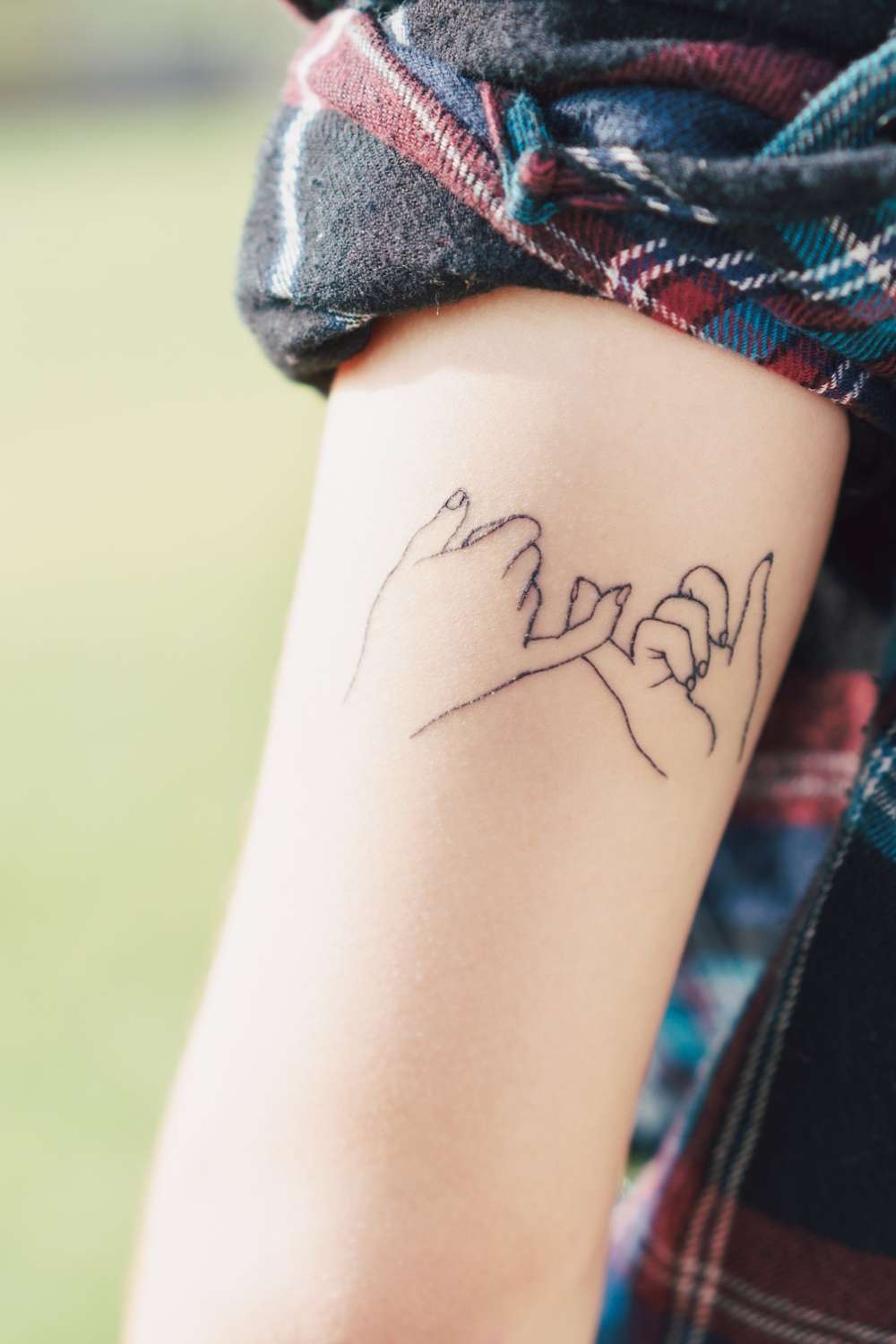
When I first thought about getting a tattoo, I had no idea where to start. Should it be big or small? Detailed or simple? Honestly, the idea of committing to something permanent was… terrifying. That’s why small tattoos are perfect for beginners they let you experiment, express yourself, and see how it feels without going all-in.
In this post, I want to share how to design small tattoo ideas that feel personal and meaningful. We’ll skip the generic “pick a trendy design” advice and focus on creating pieces that actually tell your story, match your style, and fit your vibe. Whether you’re thinking of your first tiny doodle on your wrist, ankle, or behind your ear, I’ve got you covered with tips to make it feel intentional, not random.
By the end, you’ll have the tools and confidence to sketch ideas, refine them, and walk into your tattoo session knowing exactly what you want without second-guessing yourself.
Why Start Small
When I got my first tattoo, I remember staring at massive designs online and feeling completely overwhelmed. The idea of committing to something huge right away felt… well, terrifying. That’s exactly why starting small is such a smart move for beginners.
Small tattoos carry less commitment, which gives you the freedom to experiment without panic. You can test out the style you like, see how your body responds, and figure out what actually feels “you” before going bigger. It’s like dipping your toes in the water before jumping in.
Another huge advantage? Simple designs age better and are easier to maintain. Tiny, clean lines often stay crisp over the years, while intricate or oversized designs can blur or fade faster. With a small tattoo, you’re investing in something that will still look good as time goes by, without constant touch-ups.
Finally, starting small is perfect for testing placement and personal style. You can try different spots on your wrist, ankle, behind the ear, or fingers to see how they feel both physically and visually. Maybe a tiny crescent moon on your wrist feels right, or a minimal symbol behind your ear fits your personality. Small tattoos give you that flexibility without overwhelming your body or your decision-making.
Finding Inspiration for Your Tattoo

Coming up with a tattoo idea can feel harder than expected. You know you want something meaningful but nothing seems to click right away. That’s completely normal. The best ideas usually don’t come from forcing it they come from paying attention to the little things that already matter to you.
- Look into your own experiences and interests
Some of the best tattoo ideas are already part of your life. Think about moments, hobbies, or things you naturally connect with. It could be something as simple as music you love, a place that changed you, or even a small symbol that reminds you of a phase you’ve grown through. These kinds of ideas feel more personal because they already mean something to you. - Use small details like quotes, dates, or initials
You don’t need a complex design for a tattoo to feel special. A short word, a meaningful date, or even someone’s initials can carry a lot of meaning. The key is to keep it simple and clear, especially for a small tattoo. Something subtle can still say a lot without trying too hard. - Pay attention to what naturally catches your eye
Sometimes inspiration comes from what you’re already drawn to. It could be patterns in nature, simple shapes, or minimal designs you keep noticing. Clean lines, tiny symbols, or soft details often work really well for small tattoos because they don’t feel crowded. - Don’t rush the idea
If something doesn’t feel right yet, that’s okay. Save ideas, sketch a little, or just sit with it for a while. The more you give it time, the more likely you are to choose something you won’t question later.
In the end, inspiration isn’t about finding the “perfect” design it’s about choosing something that feels like it belongs to you. Even the smallest idea can feel special when it connects to your story.
Choosing the Right Placement
Picking a tattoo design is one thing deciding where it should go is a whole different decision. Placement can change how your tattoo looks, how often you see it, and even how much you enjoy having it over time.
Start with beginner-friendly spots
Some placements just feel easier for a first tattoo. The wrist is great if you want something visible and easy to check. The ankle feels a bit more subtle but still stylish. Behind the ear is perfect if you like something more hidden and delicate. Fingers can look really nice too, but they fade faster, so that’s something to keep in mind.
Think about how visible you want it to be
Ask yourself if you want to see your tattoo every day or keep it more private. Visible spots like the wrist or hand make a statement, while areas like behind the ear or ankle feel more personal and low-key. There’s no right or wrong choice it just depends on your comfort.
Be honest about pain and sensitivity
Some areas are more sensitive than others. Places with thinner skin or less padding (like fingers or around the ear) can feel more intense. If you’re nervous, starting with a less sensitive area can make your first experience easier.
Leave room for future ideas
Even if you’re starting small, think a little ahead. If you might want more tattoos later, you don’t want to block space with random placement. Choosing a spot that still gives you room to add more designs later can save you from regret
Designing Your Tattoo
Coming up with a tattoo idea is one thing, but actually shaping it into a design you’ll be happy with long-term is where it really matters. This is the stage where your idea starts to feel real. You don’t need to be an artist—you just need a clear direction.
Start with rough sketches or simple tools
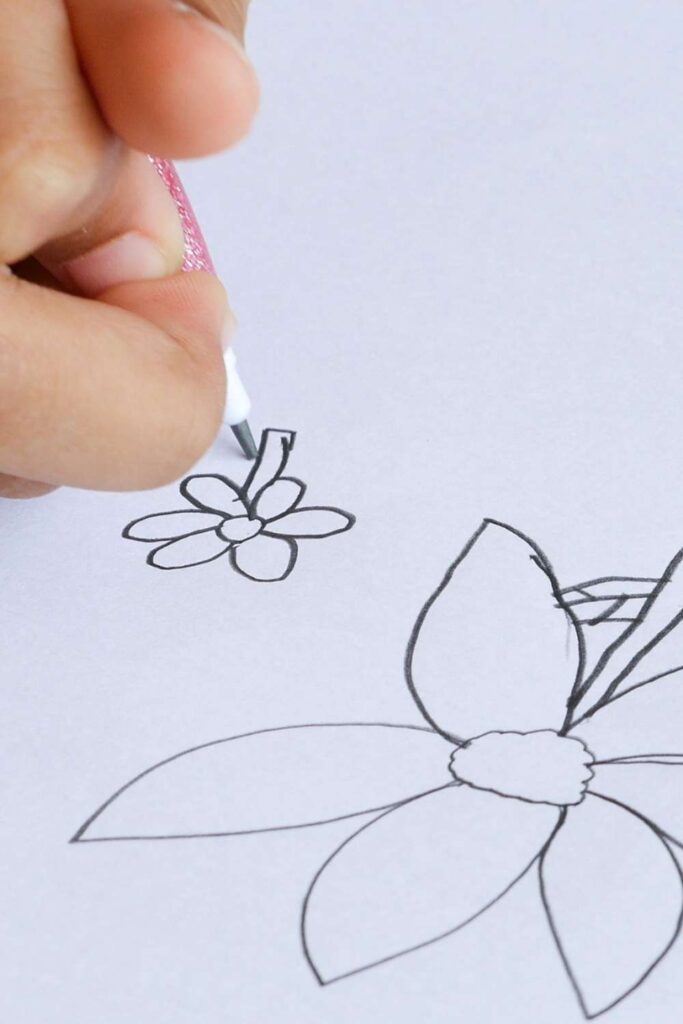
You don’t have to draw perfectly to design your tattoo. Even small, messy sketches can help you figure out what you like and what you don’t. Try drawing your idea a few different ways slightly bigger, smaller, thinner lines, or different shapes.
If drawing isn’t your thing, you can use your phone. Save references, use simple design apps, or even combine screenshots to get a clearer picture. The goal here isn’t perfection it’s clarity. You want to be able to show your tattoo artist something they can work with.
Keep it simple and clear
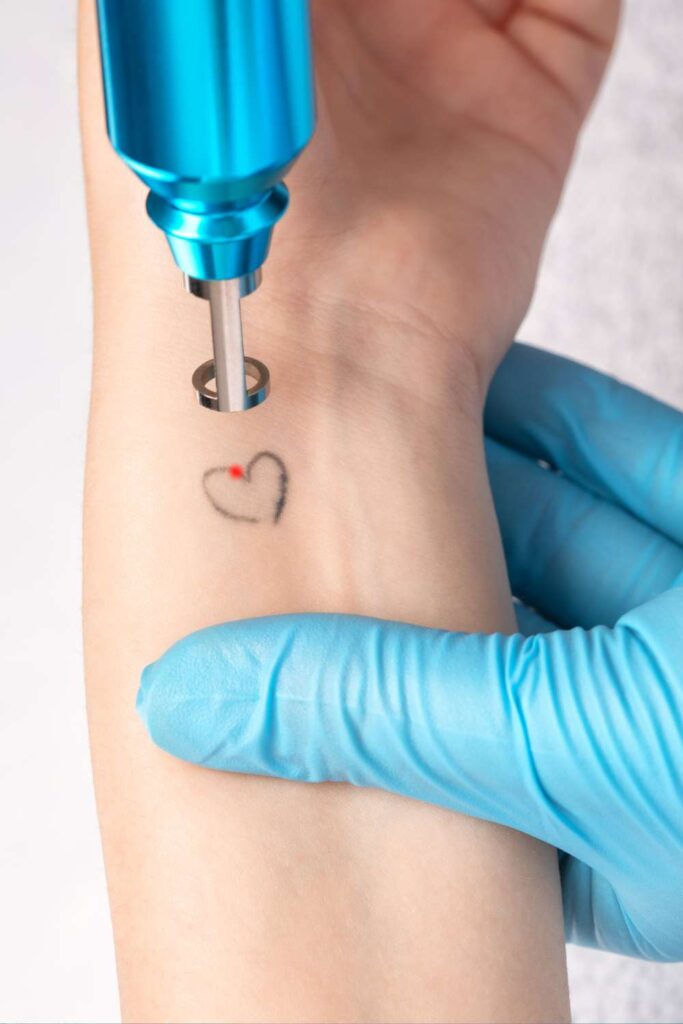
Small tattoos don’t have a lot of space, so every detail needs room to breathe. Designs with too many tiny elements can end up looking blurry over time. Clean, bold lines usually hold up better and are easier to recognize even years later.
If you’re unsure, step back and ask yourself: “Will this still look clear if it’s really small?” If the answer is no, simplify it. Removing extra details often makes the design stronger, not weaker.
Combine elements without overcrowding
It’s tempting to put multiple ideas into one small tattoo especially when everything feels meaningful. But trying to fit too much into a tiny space can make the design look cluttered.
Instead, focus on one main idea and, if needed, add one or two subtle elements that support it. For example, a small heart with a tiny initial, or a simple symbol with a fine line detail. Keep enough spacing so each part stands on its own.
A good way to check this is to imagine your design shrunk down if everything still looks clear and balanced, you’re on the right track.
Customizing for Personal Meaning
It’s easy to pick a design that looks nice, but what makes a tattoo stay special is the meaning behind it. Even the smallest tattoo can feel deeply personal when you take a little extra time to make it yours.
Add small personal touches to simple symbols
A lot of people choose common symbols hearts, stars, butterflies, moons but what makes yours different is how you tweak it. Instead of using a basic version, think about how you can adjust it to reflect something personal.
It could be as subtle as changing the shape, adding a tiny detail, or pairing it with something meaningful like an initial or a date. For example, a simple heart can feel completely different when it includes a small detail that connects to your story.
Use shapes, lines, or icons to tell your story
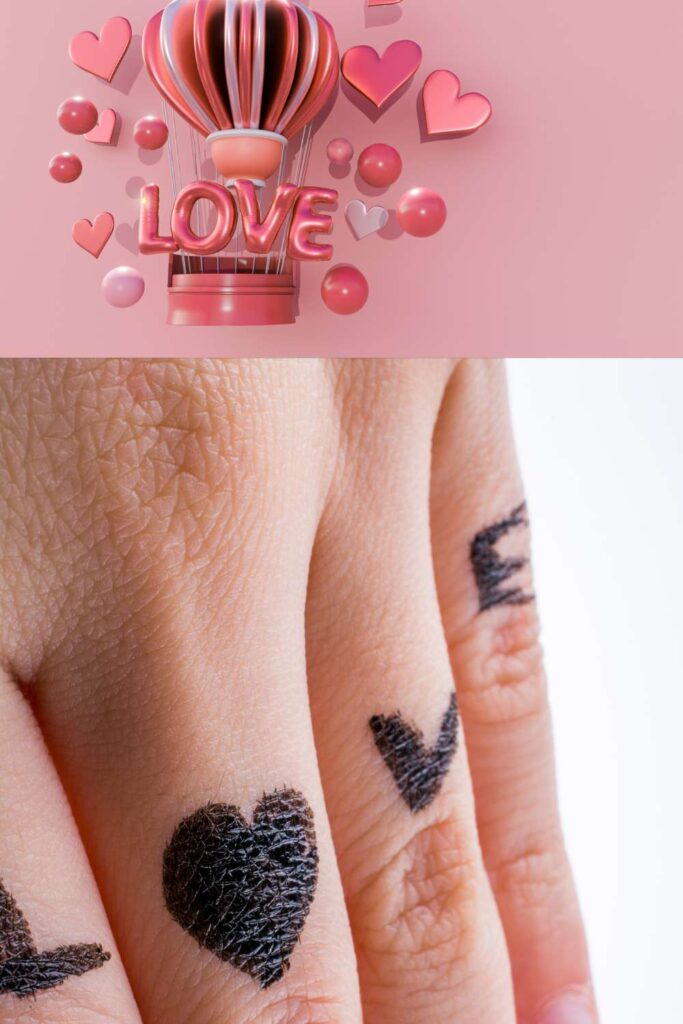
Not every meaningful tattoo has to be obvious. Sometimes, the most personal designs are the ones only you fully understand. Simple lines, tiny shapes, or small icons can represent experiences, growth, or memories without being too literal.
It might be a minimal wave for a phase of change, a straight line for stability, or a tiny symbol that reminds you of something important. The meaning doesn’t have to be explained to everyone it just has to make sense to you.
Decide between color and black ink
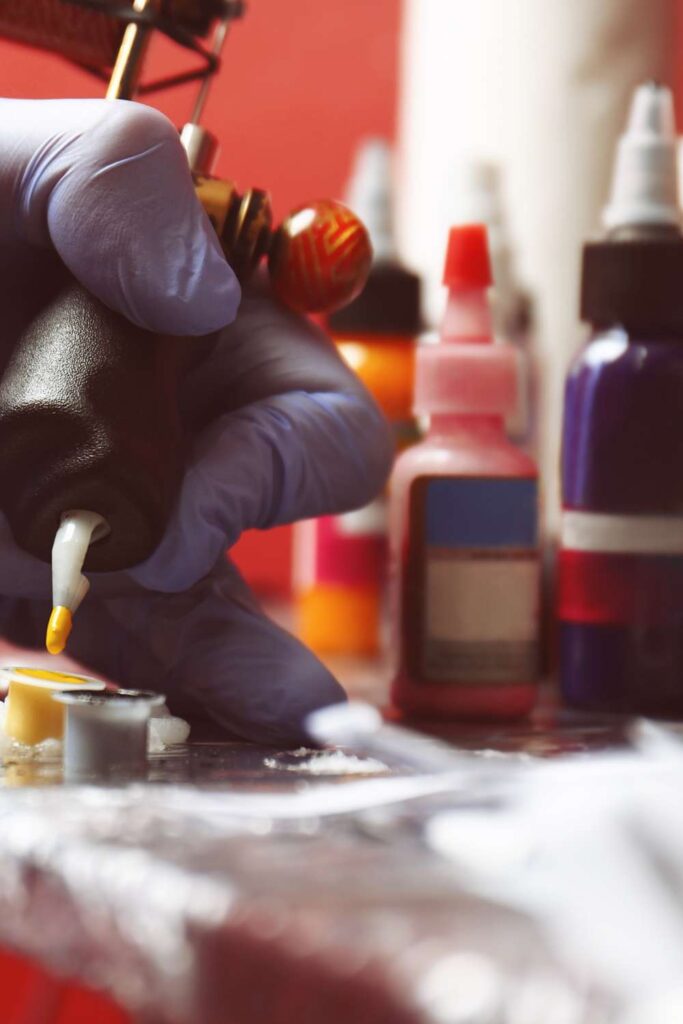
The choice between color and black ink can completely change how your tattoo feels. Black ink tends to look cleaner, more subtle, and ages well over time, especially for small designs.
Color, on the other hand, can add personality and make the tattoo stand out more. Even a tiny touch of color can shift the mood of the design. The key is to keep it balanced too many colors in a small tattoo can feel overwhelming.
Working With a Tattoo Artist
At some point, your idea has to move from your head (or your notes) to someone who will actually bring it to life. This part matters more than people expect. A good tattoo artist doesn’t just copy your idea they help refine it so it looks right on your skin, not just on paper.
Share your idea in a way they can understand
You don’t need a perfect drawing, but you do need to be clear. Bring your sketches, saved photos, or even a few reference designs that match your style. Instead of just saying “I want something small,” explain what you like about the design whether it’s the shape, the line style, or the placement.
The clearer you are, the easier it is for the artist to turn your idea into something that actually works.
Be open to their suggestions
Sometimes what looks good on your phone might not work the same way on your skin especially with small tattoos. Your artist might suggest adjusting the size, spacing, or placement so the design doesn’t blur or fade awkwardly over time.
It’s not about changing your idea completely it’s about making sure it still looks good long after it heals. Trust their experience, especially when it comes to how designs age and sit on the body.
Work together to refine the final design
You don’t have to settle for the first version of the sketch. It’s okay to ask for small changes maybe you want thinner lines, a slight shift in size, or a cleaner version of a detail. This back-and-forth is part of the process.
Take your time to look at the final design before it’s tattooed. If something feels off, say it. Once it’s done, it’s permanent, so it’s worth getting it right.
You can also check:
Best beginner tattoo ideas for guys
Aftercare and Longevity
Getting the small tattoo is just one part of the process the way you care for it after is what determines how it actually heals and looks over time. Small tattoos might seem low-maintenance, but they can fade or lose their sharpness quickly if you don’t treat them properly.
Keep the healing process simple and consistent
Right after your small tattoo is done, your skin needs time to recover. You don’t need anything complicated just a few steady habits:
- Keep the area clean and gently washed
- Apply a light layer of recommended ointment
- Avoid scratching or picking, even if it starts to itch
- Stay away from direct sun while it’s healing
Consistency matters more than doing too much. Overdoing products or touching it too often can slow down healing.
Understand why small tattoos fade faster
Because small tattoos rely on fine lines and tiny details, any fading becomes more noticeable. Areas like fingers or hands tend to fade even quicker because of constant movement and exposure.
That’s why aftercare isn’t something to ignore those clean lines you love now need proper care to stay that way.
Build habits that protect your tattoo long-term
Once your tattoo heals, it still needs attention. A few simple habits can help it stay sharp:
- Use sunscreen on exposed tattoos to prevent fading
- Keep your skin moisturized so lines don’t look dull
- Avoid harsh products directly on the tattooed area
Mistakes to Avoid as a Beginner
It’s easy to get caught up in the excitement of getting your first tattoo, but a few common mistakes can lead to regret later. Knowing what to avoid can save you from fixing something permanent.
- Choosing a design just because it looks trendy
Trends change quickly. What feels popular now might not feel the same in a few years. It’s better to go for something that actually connects to you, even if it’s simple. - Overcomplicating a small design
Trying to fit too many details into a tiny tattoo can make it look messy or unclear. Small tattoos work best when they’re clean and focused. - Not thinking through placement
Picking a spot without considering visibility, pain, or future small tattoos can lead to second thoughts later. Placement affects how often you see it and how it fits into your overall style. - Rushing the decision
Feeling unsure but going ahead anyway is something many people regret. If you’re not fully comfortable with the design, give yourself more time. - Ignoring the importance of a good artist
Not all artists specialize in small tattoo or fine-line tattoos. Choosing someone without checking their work can affect how your small tattoo turns out.
.

