Here are guides on How to Apply Makeup for Beginners.
If you’re new to makeup, let me just say it’s your first time, then you’re not alone. Almost every makeup beginners feel a little confused at their first attempt. There are so many products, brushes, tutorials, and beauty trends out there that it can quickly start to feel overwhelming. You might be wondering things like Where do I even start? or Which products will actually work for my skin? Trust me, we’ve all been there.
The truth is, makeup doesn’t have to be complicated. At its core, it’s simply a way to enhance the features you already have and have a little fun with your look.
Another important thing to remember is that makeup is for everyone, no matter your skin tone. Whether your skin is fair, medium, tan, or deep, there are products and shades designed to complement your complexion beautifully.
So here , I’m going to walk you through on how to apply makeup for beginners. Think of it as a friendly introduction to makeup nothing too complicated, just the essential steps that will help you create a clean, beautiful look.
Understanding Your Skin Tone and Undertone
Before you start applying makeup for beginners, it’s really helpful to understand your skin tone and undertone. This is one of the most important things beginners can learn on how to apply makeup for beginners ,because it helps you choose makeup products that actually match your skin. When your foundation, concealer, or lipstick complements your skin tone, your makeup will look more natural and balanced.
Different Skin Tone Categories

Skin tone simply refers to the natural color of your skin. While everyone’s complexion is unique, most skin tones are usually grouped into a few general categories.
Fair skin tones are the lightest and often have very pale complexions. People with fair skin may burn easily in the sun and may notice redness in their skin.
Light skin tones are slightly deeper than fair skin but still on the lighter side. This skin tone may tan a little but can still be sensitive to sun exposure.
Medium skin tones fall in the middle range. This tone often has a balanced complexion that can tan more easily and usually works well with a wide range of makeup shades.
Tan skin tones are deeper than medium tones and often have warm golden or olive hues. People with tan skin typically tan easily in the sun.
Deep skin tones are rich and darker complexions that can range from deep brown to very dark brown. These skin tones often look beautiful with vibrant and bold makeup color.
What Are Undertones?
While skin tone refers to the surface color of your skin, undertones are the subtle colors underneath your skin that influence how certain shades look on you. Your undertone stays the same even if your skin becomes lighter or darker due to sun exposure.
There are three main undertone categories : (on how to apply makeup for beginners )
Cool undertones usually have hints of pink, red, or blue beneath the skin. People with cool undertones often look best in makeup shades that have cool or rosy tones.
Warm undertones have hints of yellow, golden, or peach beneath the skin. Makeup shades with warm or golden tones often complement this undertone beautifully.
Neutral undertones are a mix of both warm and cool tones. People with neutral undertones can usually wear a wide range of makeup shades because their skin balances both undertone types.
Why Undertones Matter in Makeup
Knowing your undertone can make a big difference when choosing makeup products. Even if a foundation matches your skin tone, it may still look unnatural if the undertone doesn’t match your skin.
How to apply makeup for beginners: Preparing Your Skin Before Makeup
Before applying any makeup, it’s important to prepare your skin properly. Think of skincare as the foundation for good makeup. When your skin is clean, hydrated, and protected, makeup tends to apply more smoothly and look more natural. Skipping this step can sometimes cause makeup to look patchy, dry, or uneven. so firstly,
Washing or Cleansing Your Face

The first step in preparing your skin is cleansing your face. Throughout the day and night, our skin collects oil, sweat, and dirt. If makeup is applied on top of unclean skin, it can clog pores and make the makeup appear uneven.
Using a gentle facial cleanser helps remove impurities and gives you a fresh, clean surface to work with. For beginners, it’s best to choose a cleanser that suits your skin type, whether your skin is oily, dry, or combination.
After washing your face, gently pat your skin dry with a clean towel rather than rubbing it, as this helps prevent irritation.
Applying Moisturizer
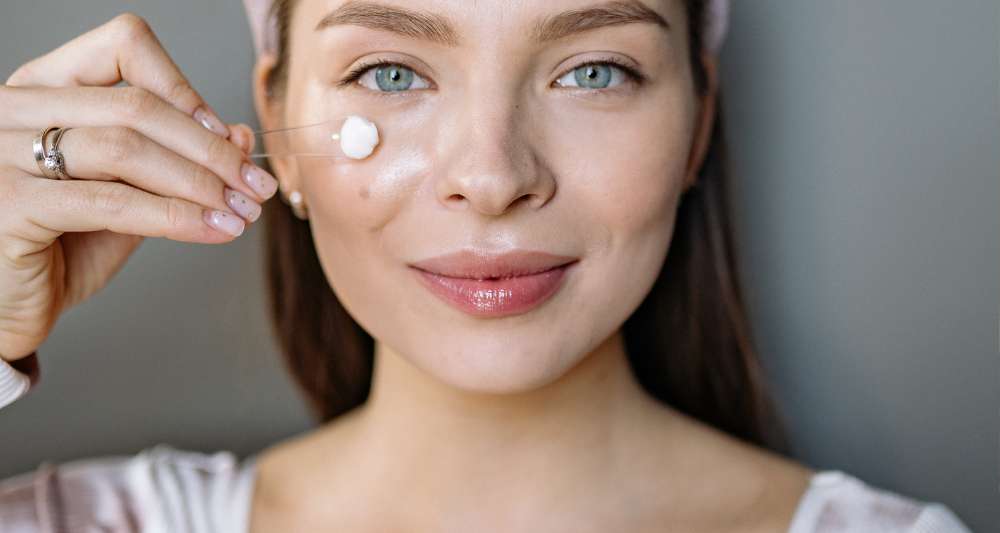
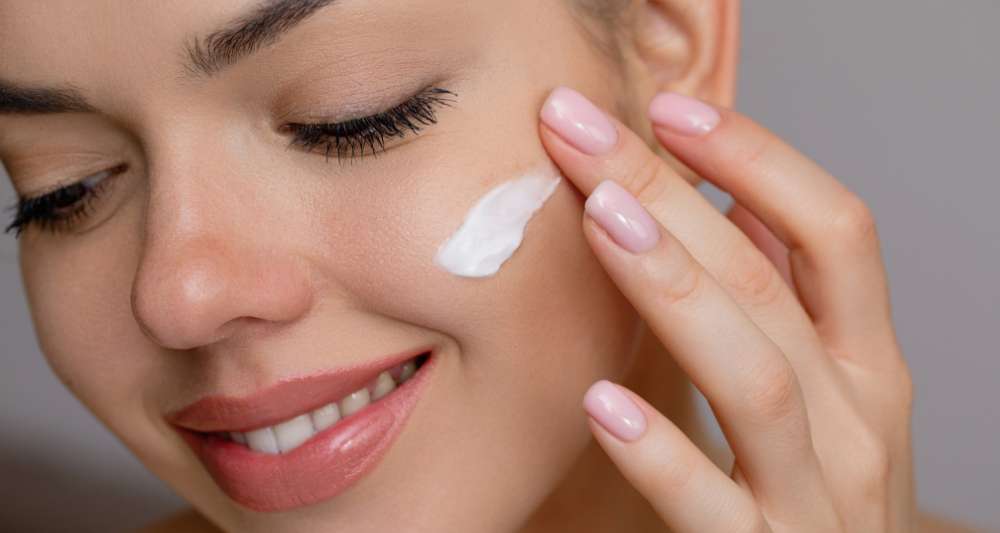
Once your face is clean, the next step is moisturizing your skin. Moisturizer helps keep your skin hydrated and prevents dryness. When the skin is well moisturized, makeup blends more smoothly and looks more natural.
Even if you have oily skin, moisturizing is still important. Skipping moisturizer can sometimes cause your skin to produce even more oil. The key is to choose a moisturizer that works well for your skin type. Lightweight moisturizers often work well for oily skin, while richer creams may be better for dry skin.
Allow the moisturizer to absorb into your skin for a minute or two before moving on to the next step on how to apply makeup for beginners.
Using Sunscreen

If you are applying makeup during the daytime, sunscreen is an essential step. Sunscreen helps protect your skin from harmful UV rays, which can cause sun damage, premature aging, and dark spots.
Many people skip sunscreen, but it’s one of the most important steps in a healthy skincare routine on how to apply makeup for beginners. Applying sunscreen before makeup ensures that your skin stays protected while you go about your day.
Why Primer Helps Makeup Last Longer and should be used when learning how to apply makeup for beginners.
After skincare, the final preparation step before makeup is applying primer. Primer creates a smooth base that helps makeup adhere better to the skin.
One of the main benefits of primer is that it helps makeup last longer throughout the day. It can also help blur the appearance of pores, reduce shine, and create a more even surface for foundation.
Different primers are designed for different skin needs. For example, some primers help control oil, while others provide extra hydration for dry skin.
Essential Makeup Products for Beginners
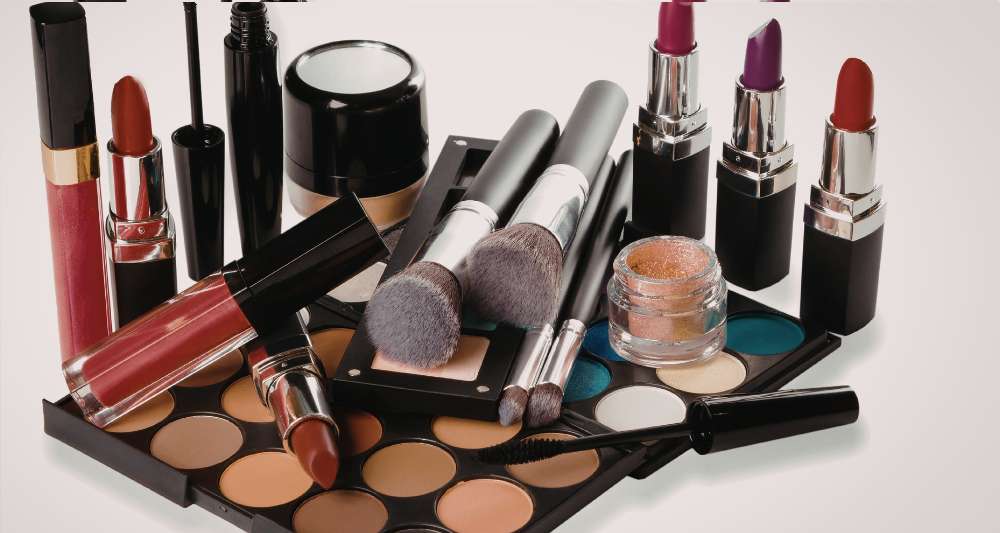
When you’re just starting out with makeup, it’s easy to think you need a huge collection of products. The truth is, you really only need a few basic items to create a beautiful everyday look. Once you become more comfortable with makeup, you can always expand your collection and experiment with more products.
Here are some of the essential makeup products beginners should know about when learning how to apply makeup for beginners and what each one does.
Primer
Primer is usually applied right before foundation. Its main purpose is to prepare your skin for makeup and create a smooth base.
A good primer can help reduce the appearance of pores, control oil, and help makeup stay in place for longer. If you want your makeup to last throughout the day without fading or looking patchy, primer can make a big difference.
Foundation
Foundation is one of the most important makeup products because it helps even out your skin tone and create a smooth base for the rest of your makeup.
Foundations come in different forms such as liquid, cream, powder, and stick foundations. As beginners, liquid foundation is often the easiest to work with because it blends easily and looks natural on the skin.
Concealer
Concealer is used to cover imperfections such as dark circles, blemishes, redness, or dark spots.
It is usually applied after foundation and can also be used to brighten areas like under the eyes or the center of the face. A good concealer helps create a more fresh and awake appearance.
Powder
Powder helps set your makeup in place and reduce shine. It also helps prevent foundation and concealer from creasing during the day.
There are different types of powders, such as loose powder and pressed powder. Beginners often find pressed powder easier to apply for quick touch-ups.
Blush
Blush adds color and life to your face. After applying foundation and powder, the face can sometimes look flat. Blush brings back warmth and gives the cheeks a healthy glow.
Blush comes in different shades, so choosing one that complements your skin tone can make your makeup look more natural and flattering.
Eyebrow Products
Eyebrows frame the face and can make a big difference in your overall look. Eyebrow pencils, powders, or gels are used to fill in sparse areas and shape the brows.
For beginners, it’s best to keep brows looking soft and natural rather than overly dark or heavily drawn.
Eyeshadow
Eyeshadow adds color and dimension to the eyelids. While there are many bold and dramatic shades available, beginners may find it easier to start with neutral colors like browns, soft pinks, or gold.
Mascara
Mascara helps make your eyelashes look longer, darker, and fuller. Even if you wear very minimal makeup, mascara alone can instantly make your eyes stand out.
It’s usually applied to the upper lashes and sometimes the lower lashes for extra definition.
Related post; Eye shadow colors to try for easter
Lipstick or Lip Gloss
Lip products help complete the makeup look. Lipsticks usually provide stronger color, while lip gloss gives a softer, shiny finish.
Beginners often start with neutral lipstick shades or simple lip gloss, which are easy to apply and work well for everyday looks.
Makeup Brushes or Sponges
Makeup tools are just as important as the products themselves. Brushes and beauty sponges help blend makeup evenly and smoothly into the skin.
Sponges are especially helpful for blending foundation and concealer, while brushes work well for powder, blush, and eyeshadow.
Step-by-Step Guide on how to apply Makeup For Beginners.
The best way to learn is to follow a simple step-by-step routine. You don’t need dozens of products or complicated techniques to get a beautiful result. All you need is just few basic steps to glow your skin.
This is what each product does, where it should be applied, and how to apply makeup for beginners properly.
Apply Primer
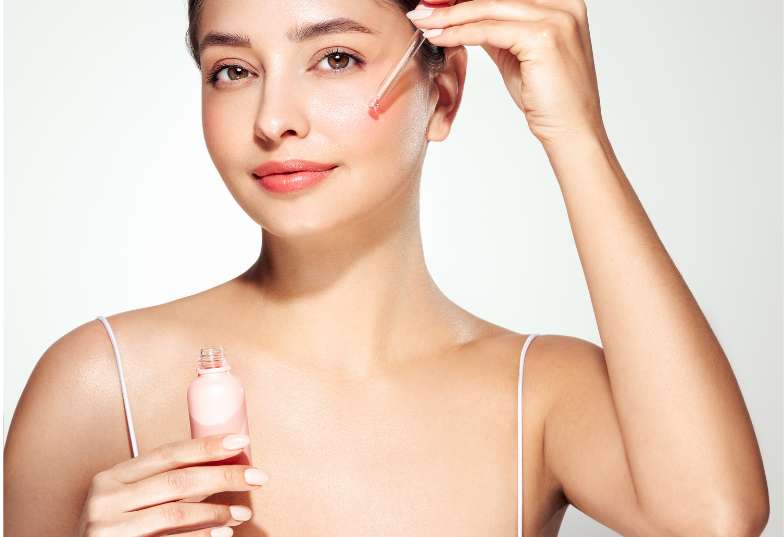
Primer is the first product you apply after finishing your skincare routine. Its main job is to create a smooth surface for your makeup and help it last longer throughout the day.
Take a small amount of primer and apply it to the areas of your face where makeup tends to fade or where you have visible pores. This usually includes the T-zone, which is the forehead, nose, and chin. You can also lightly apply it to the cheeks if you want your foundation to look smoother.
Gently blend the primer into your skin using your fingers and allow it to sit for about 30 seconds to one minute before applying foundation. This helps the product settle into the skin.
Apply Foundation
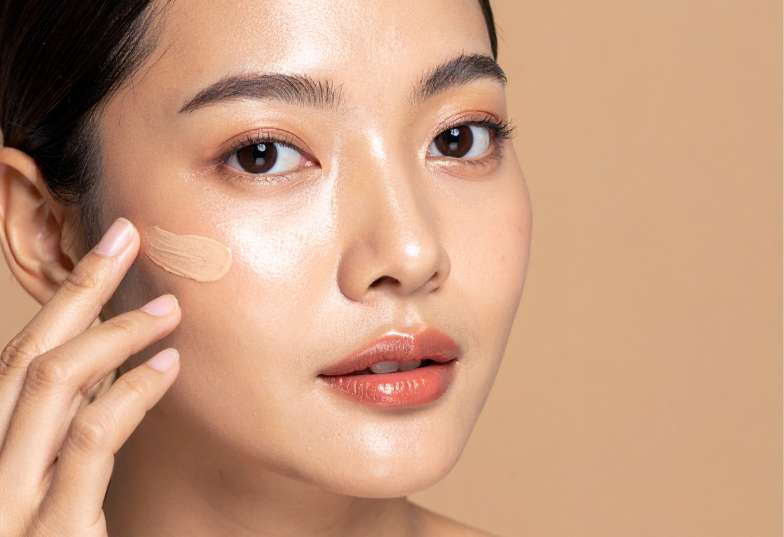
Foundation helps create an even skin tone and gives your face a smooth, balanced appearance. The key is choosing a foundation that closely matches your skin tone and undertone.
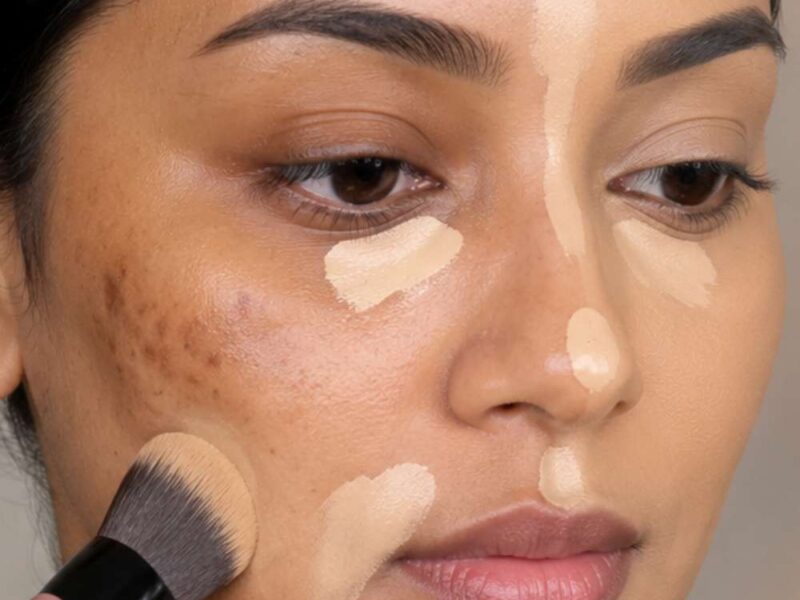
Apply small dots of foundation on different parts of your face such as the forehead, cheeks, nose, and chin. Then use a makeup sponge, beauty blender, or foundation brush to blend it evenly.
Blend the foundation outward from the center of your face toward the hairline and jawline. Make sure to blend well around the nose, under the eyes, and along the jaw so there are no harsh lines. If needed, you can lightly blend a little foundation down your neck so your face and neck match naturally.
Apply Concealer
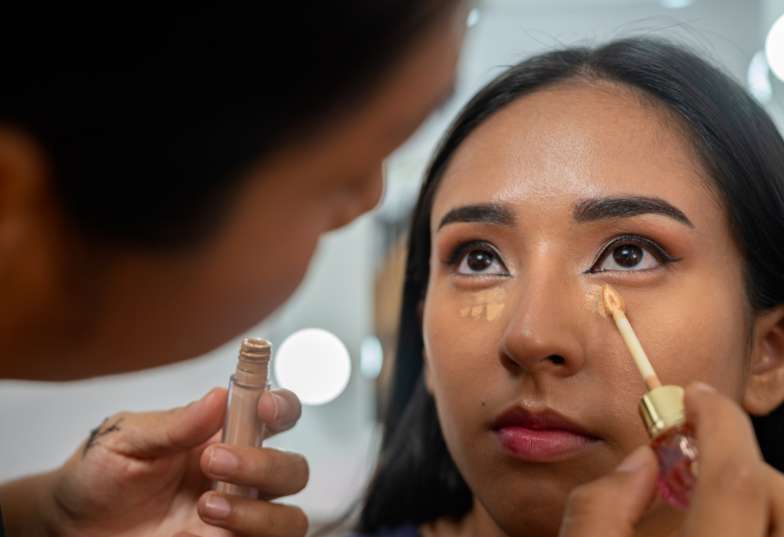
Concealer is used to cover areas that need extra coverage. It is usually slightly lighter than your foundation and helps brighten certain parts of the face.
Apply concealer to the under-eye area to cover dark circles. A common technique is to place it in a small triangle shape under each eye, with the base of the triangle under your eye and the point facing downward toward your cheek. This helps brighten the face.
You can also apply concealer to blemishes, dark spots, redness, or acne marks. After applying it, gently blend it using a sponge or brush until it melts into the foundation.
Set with Powder
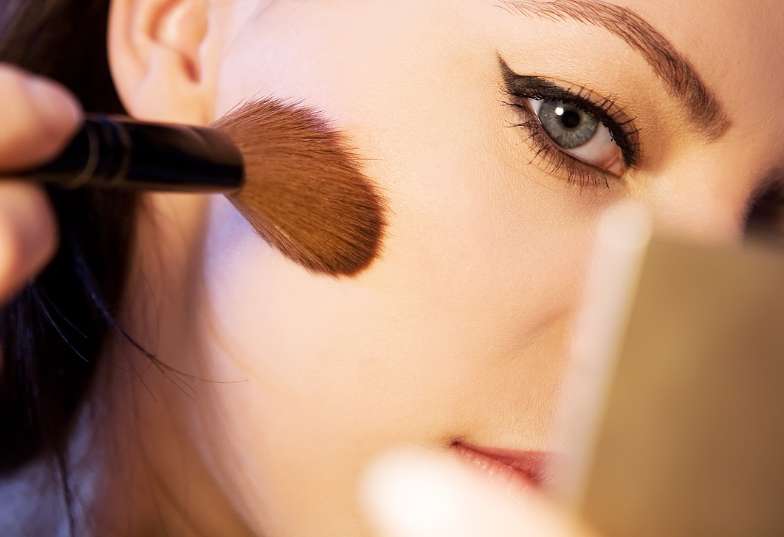
Setting powder helps keep your makeup in place and reduces shine, especially if you have oily or combination skin.
Using a powder brush or makeup sponge, lightly apply powder to areas that tend to get oily. These areas usually include the forehead, nose, chin, and under the eyes.
If you have dry skin, you may only need to apply powder lightly in the T-zone rather than the whole face. The goal is to lock in your makeup while keeping your skin looking natural.
Fill in Your Eyebrows
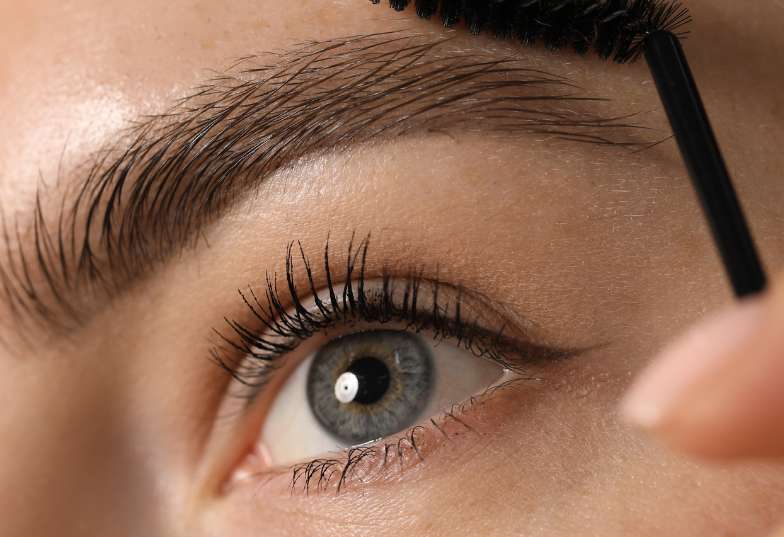
Eyebrows help frame your face and make your overall makeup look more polished. For beginners, the goal is simply to enhance the natural shape of your brows, not to make them look too dark or heavy.
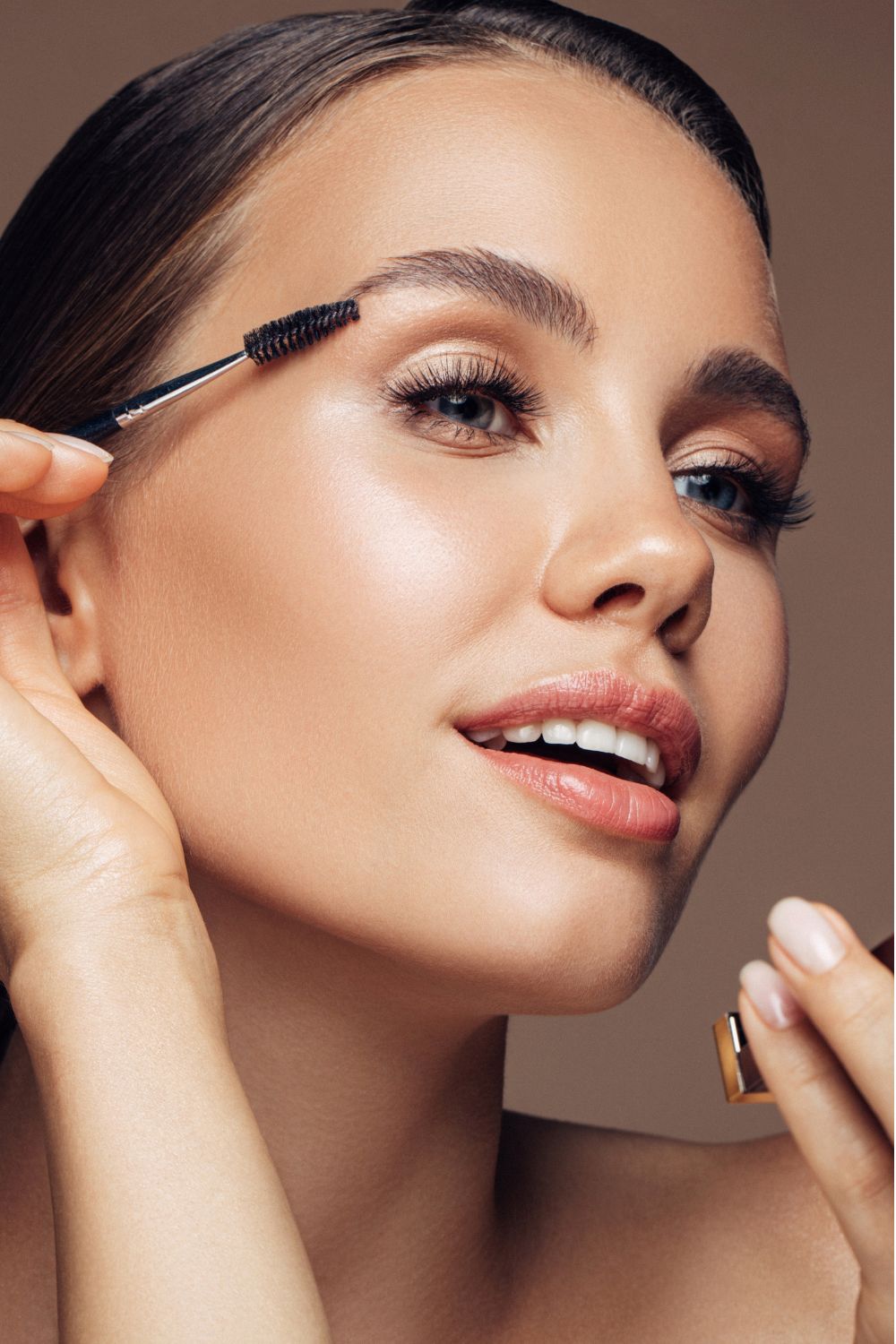
Using an eyebrow pencil, brow powder, or brow gel, gently fill in sparse areas of your eyebrows. Start from the middle of the brow and move toward the tail, then lightly fill the front of the brow.
Brush through your brows with a spoolie brush to blend the product and soften the look so the brows appear natural.
Apply Eyeshadow
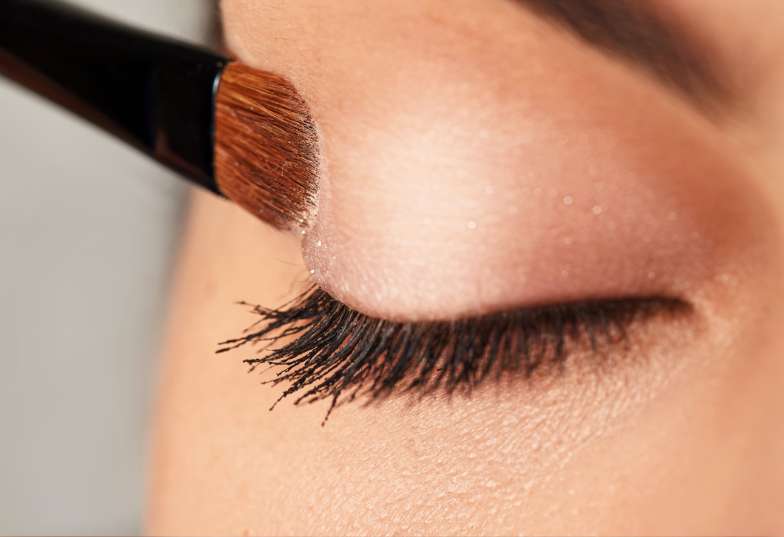
Eyeshadow adds color and dimension to your eyes. For beginners, it’s best to start with neutral shades such as beige, brown, soft pink, or warm gold.
Apply a light shade across the entire eyelid as a base. Then use a slightly darker shade in the crease, which is the fold between your eyelid and brow bone. This helps create depth.
Blend the eyeshadow gently so the colors transition smoothly without harsh lines. You can also add a soft highlight shade just below the brow bone or in the inner corners of the eyes to brighten them.
Apply Eyeliner and Mascara
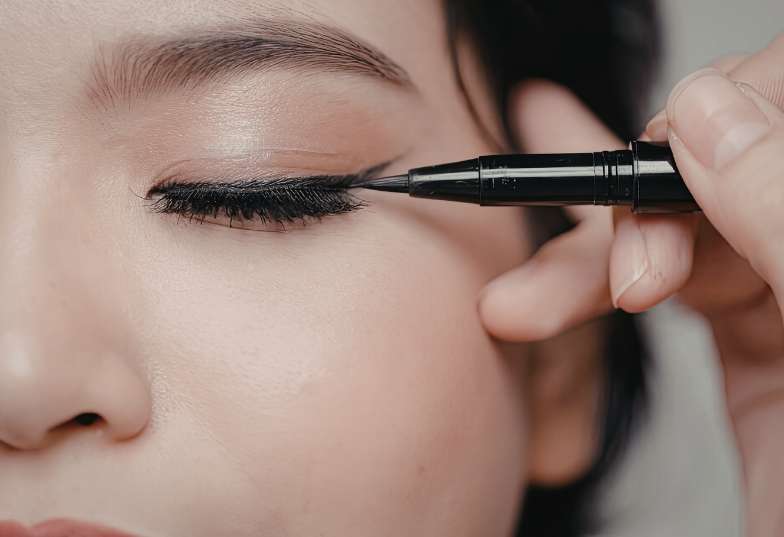
Eyeliner helps define the eyes and make the lashes appear fuller. You can apply eyeliner along the upper lash line, which is the area right above your eyelashes.
Start with a thin line from the inner corner of the eye to the outer corner. Beginners may find pencil or gel eyeliner easier to control.
Next, apply mascara to your upper eyelashes. Place the mascara wand at the base of your lashes and gently wiggle it upward toward the tips. This helps separate the lashes and makes them look longer and fuller. You can also apply a light coat to the lower lashes if you like.
Apply Blush or Bronzer
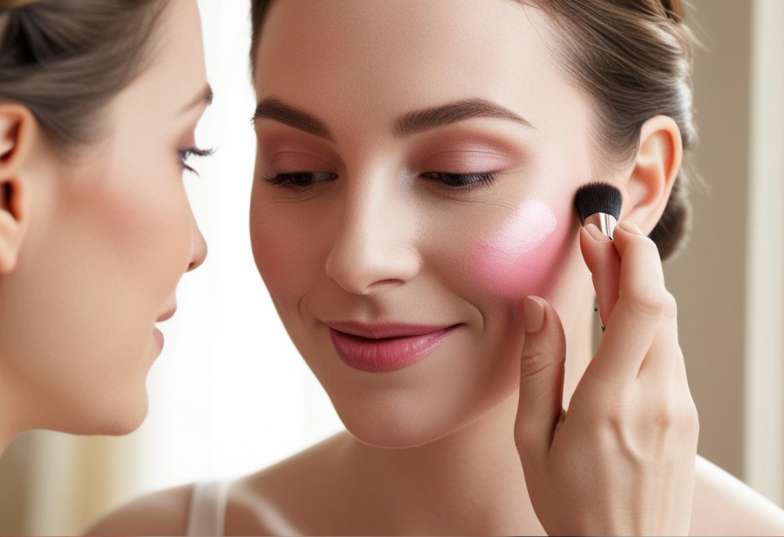
Blush and bronzer help bring warmth and color back to the face after foundation and powder.
Blush is usually applied to the apples of the cheeks, which are the round parts that lift when you smile. Lightly sweep the blush upward toward the temples for a natural, lifted look.
Bronzer is used to add warmth and subtle contour to the face. Apply bronzer to areas where the sun naturally hits your face, such as the top of the forehead near the hairline, the temples, the cheekbones, and lightly along the jawline.
Apply Lipstick or Lip Gloss
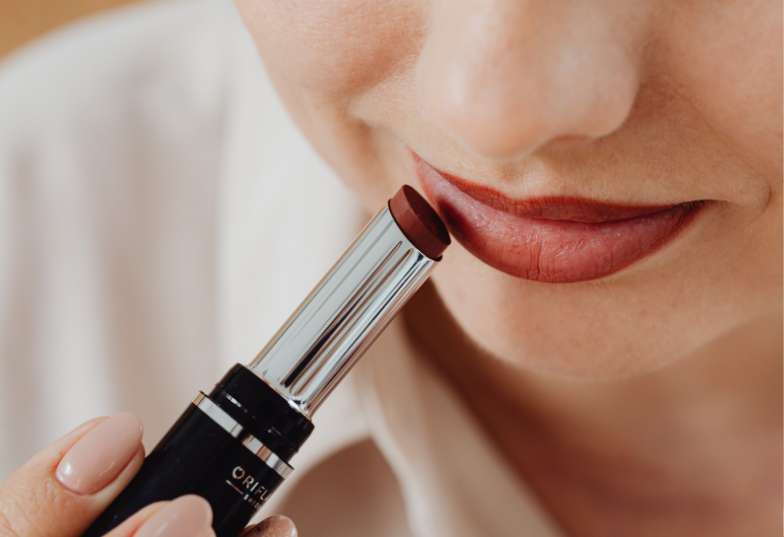
The final step in your makeup routine is applying a lip product. This completes the entire look and adds a finishing touch to your face.
You can apply lipstick, lip gloss, or tinted lip balm depending on the look you want. Start by applying the product in the center of your lips and gently spread it outward toward the edges.
You may also like
How to style your natural hair for an interview
How to design Simple acrylic nail for beginners at home.
How to design nails at home step by step-guide
how student maintain a balanced lifestyle
How to make Gel Nail Style on Step by Step Guide for great looks.
How to make Step by Step Cornrow Style for ladies with Natural Hair.