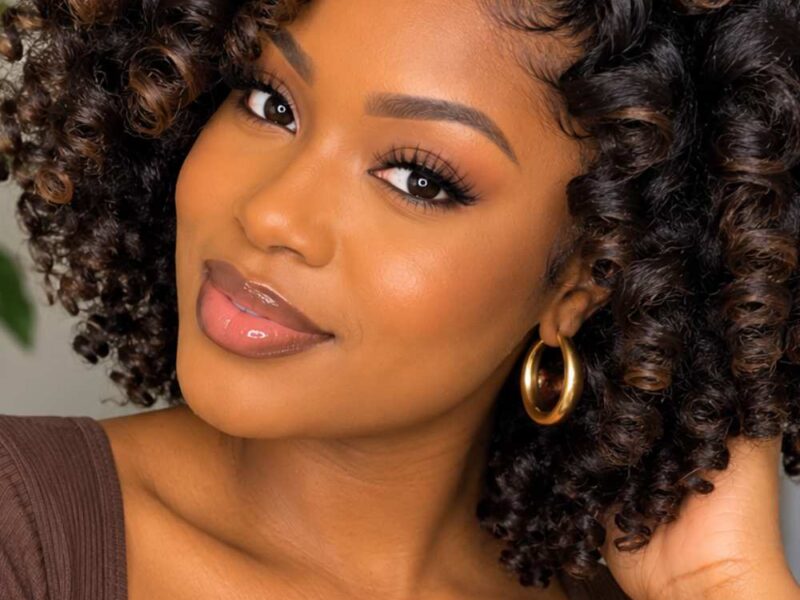
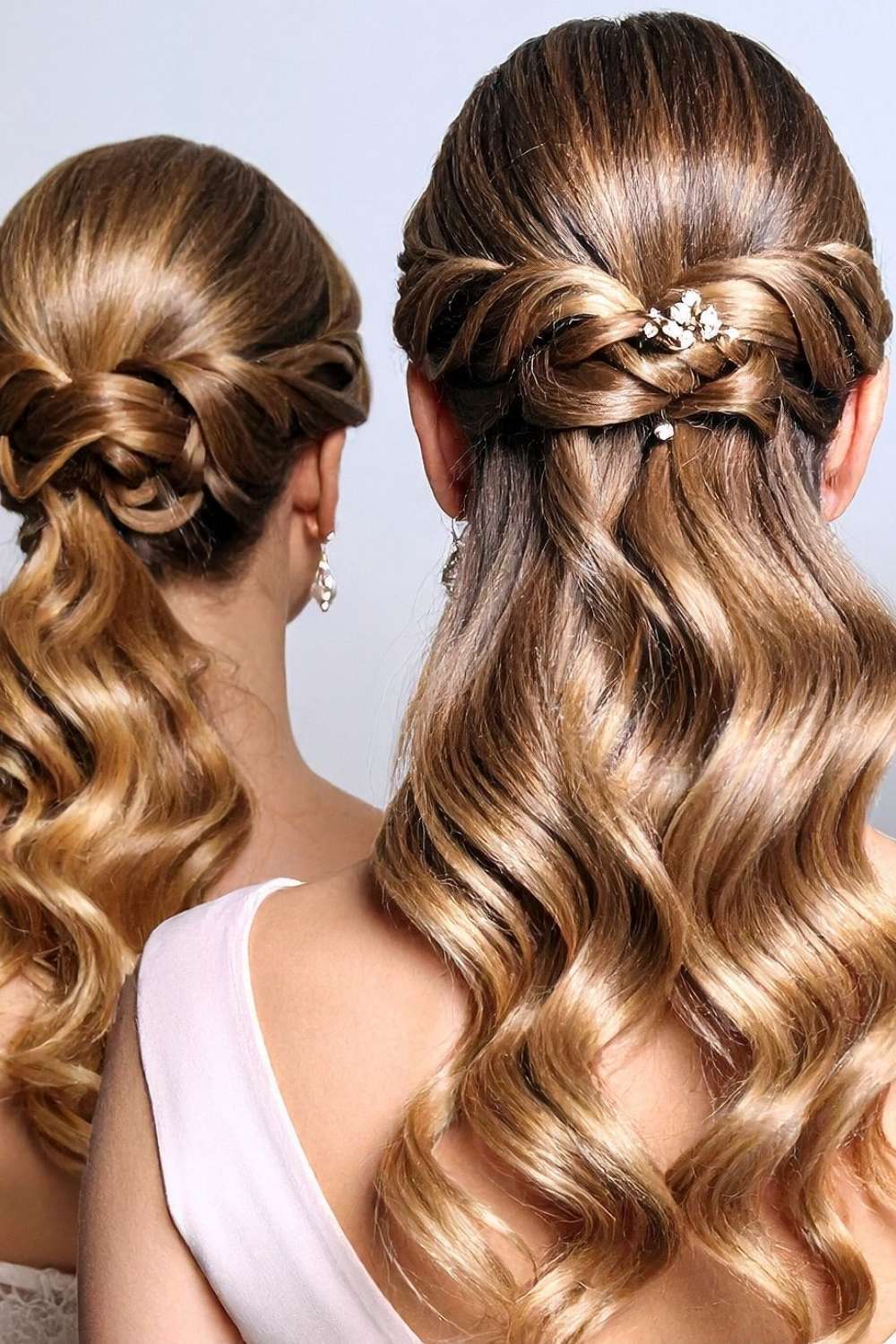
There’s something about summer that makes you want to do less especially with your hair. The heat is intense, the humidity is doing the most, and suddenly your usual routine feels like a full-time job you didn’t sign up for. I’ve definitely had those mornings where I just stare at my hair and think, “we’re not doing this today.”
That’s exactly where a good protective hairstyle comes in. Not just as a style choice, but as a real lifesaver. It gives your hair a break from constant manipulation, helps you hold onto length, and honestly just makes life easier when the weather is working against you.
Over time, I’ve realized that the right protective styles aren’t just about looking put together (though that’s a bonus). They’re about convenience, comfort, and giving your hair the space to breathe and grow without stress. Whether you’re heading to classes, running errands, or just trying to survive the heat without your edges giving up, there’s always a style that fits.
Why Protective Hairstyles Are a Summer Essential
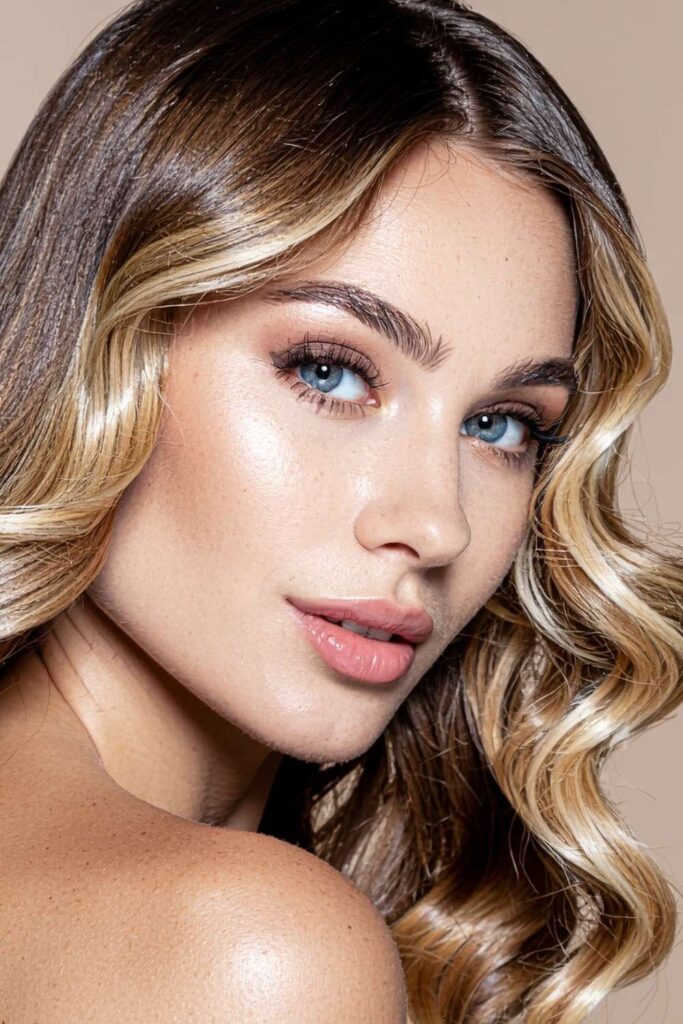
Summer has a way of exposing every weak point in your hair routine. One minute your hair looks fine, the next minute sweat, heat, and humidity have completely changed the plan. That’s why switching to a protective hairstyle isn’t just a cute idea it honestly feels like relief.
First, it cuts down the constant back and forth with your hair. No more waking up and negotiating with it every morning. Once your hair is in a protective style, you’re not detangling daily, not restyling every few hours, not fighting shrinkage the second you step outside. You just wake up, do a quick touch-up if needed, and move on with your day. That alone changes everything.
Then there’s the moisture part because summer heat will dry your hair out faster than you realize. When your ends are tucked away, they’re not exposed to the sun, dry air, or all the little things that slowly pull moisture out of your hair. I didn’t fully notice this until I started taking down my styles and my hair actually felt soft instead of rough and tired.
And let’s talk about ends for a second, because they go through the most. Loose hair in summer means constant friction on your clothes, your shoulders, even your hands when you keep touching it. A good protective hairstyle keeps those ends hidden and safe, which makes a real difference over time, especially if you’re trying to retain length.
But if I’m being completely honest, one of the biggest reasons I keep going back to protective styles during summer is how much time and energy they save me. On busy days, or even on days when I just don’t feel like doing anything extra, my hair is already handled. No stress, no long routine, no standing in front of the mirror wondering what to do.
Things to Consider Before Choosing a Protective Hairstyle
Before you jump into any protective hairstyle, it helps to pause for a second and think about what actually works for you. Not every style fits every lifestyle, and the last thing you want is to install something that looks good for two days and then becomes stressful to manage.
Your Hair Type and Length
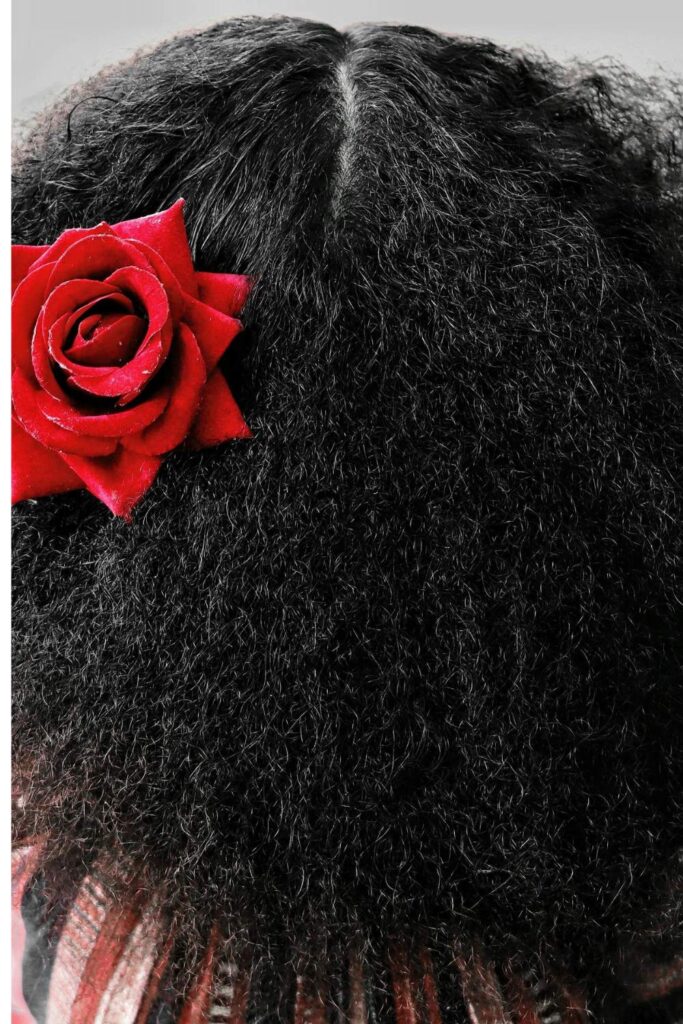
Your natural hair plays a big role in how a protective hairstyle will turn out. Some styles sit better on thicker hair, while others work beautifully on finer or shorter hair.
If your hair is on the shorter side, super long or heavy styles might pull too much on your roots. And if your hair is thick, you might need a style that can handle the volume without feeling bulky.
I’ve learned this the hard way choosing a style just because it looks good on someone else doesn’t always translate the same way on your own hair.
How Long You Plan to Keep the Style
Be honest with yourself here. Are you someone who can keep a style neat for weeks, or do you get tired of it after a few days?
Some protective styles are meant to last longer, while others start looking “old” pretty quickly. If you know you’ll want a change soon, it’s better to go for something lighter and easier to take out.
There’s nothing worse than being stuck with a protective hairstyle you’re already tired of.
Your Daily Routine
Your everyday life matters more than the style itself. Think about what your typical day looks like—are you always on the go, heading to classes, working long hours, or going to the gym?
If you’re active or constantly outside, you’ll want something simple and easy to manage. A style that requires too much upkeep can quickly become frustrating.
I always ask myself, “Can I actually live my normal life with this hair?” If the answer is no, I rethink it.
Comfort (Tension, Weight, Scalp Sensitivity)
This one is so important and often ignored. A protective hairstyle is not supposed to hurt. If it’s too tight, too heavy, or constantly pulling at your scalp, it’s doing more harm than good.
Pay attention to how your scalp usually reacts. If you’re sensitive, go for styles that are lighter and less tight.
I’ve had styles that looked amazing but gave me headaches for days and trust me, that’s not something you want to deal with.
Budget and Maintenance Level
Some styles look low-effort but actually require a lot to maintain. Others might cost more upfront but are easier to manage daily.
Think about how much you’re willing to spend not just on installing the style, but also on keeping it looking fresh. Products, touch-ups, and time all add up.
Protective Hairstyle Ideas for Summer
When it comes to choosing a protective hairstyle for summer, it’s really about finding that balance between looking good and feeling comfortable. You want something that can handle the heat, fit into your routine, and not stress you out after a few days. These are styles I keep coming back to because they actually work when the weather is doing the most.
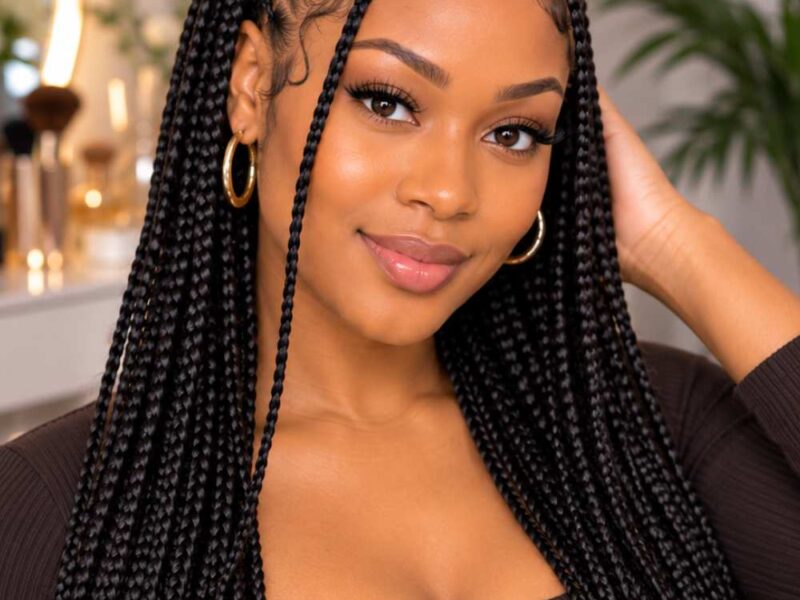
Box Braids
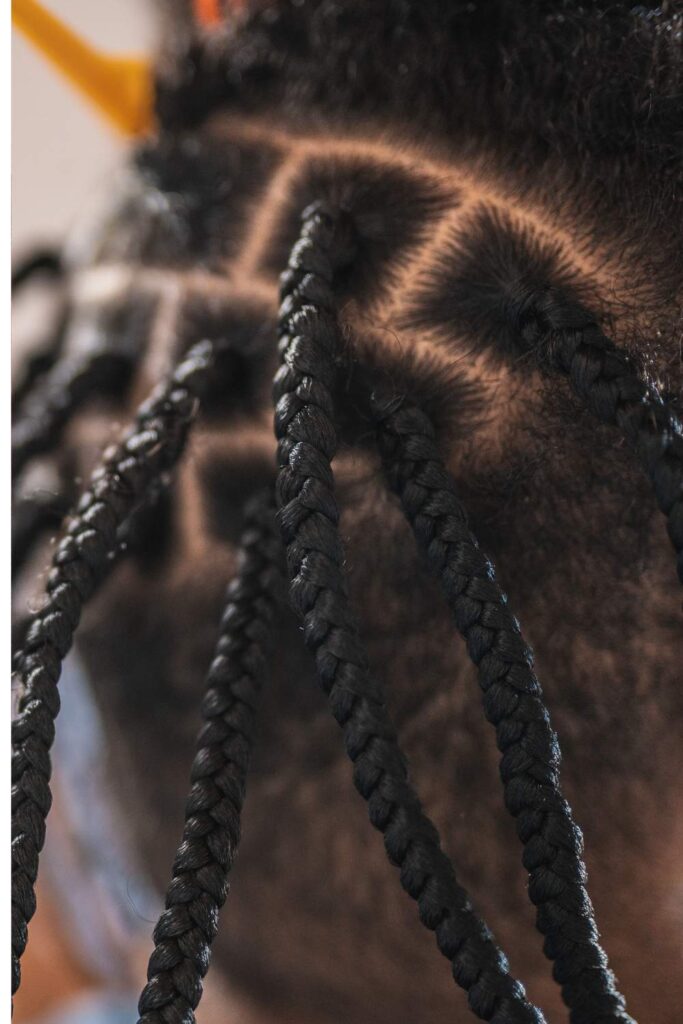
Box braids are one of those styles that just make sense in summer. Once they’re installed, you’re pretty much set for weeks, and that alone is a win when the heat is draining your energy.
What I love most is how flexible they are. You can pack them into a bun when it’s too hot, throw them into a ponytail for a clean look, or do a half-up style when you want something a bit different. It doesn’t feel like you’re stuck with just one look.
And the best part? You don’t have to think too much about your hair every day. It’s already handled.
Cornrows
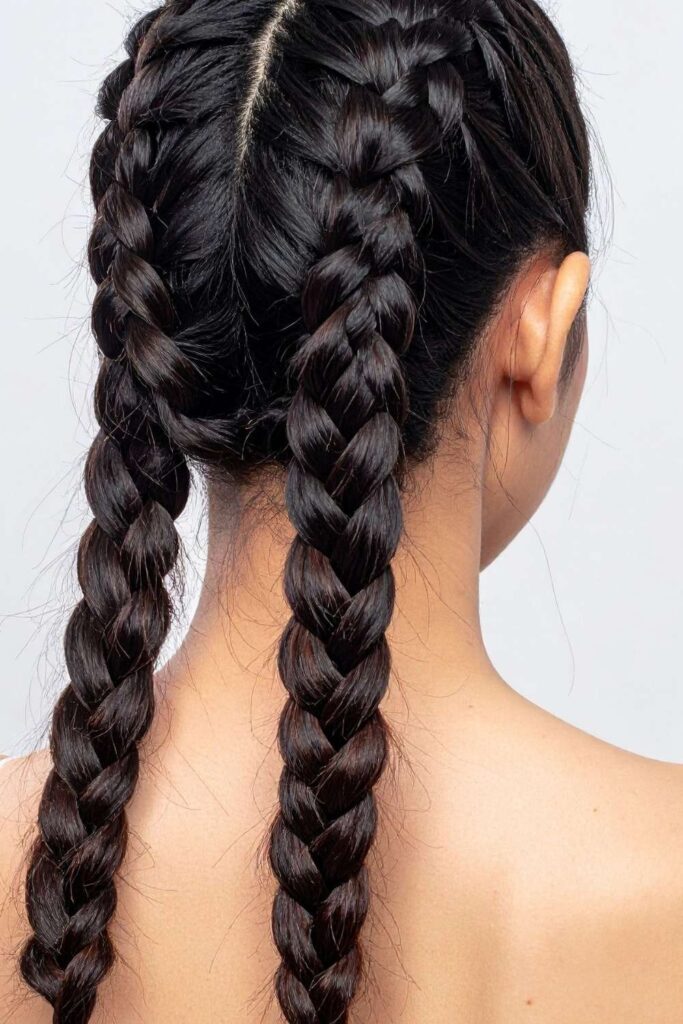
Cornrows are perfect when you want something simple, neat, and out of the way. They sit close to your scalp, which makes them ideal for hot weather no extra weight, no hair sticking to your neck.
If you’re someone who is always moving around going to class, running errands, or even working out—this style just fits. There’s nothing to adjust or fix constantly.
It’s one of those protective hairstyle options that keeps everything clean and low effort.
Knotless Braids
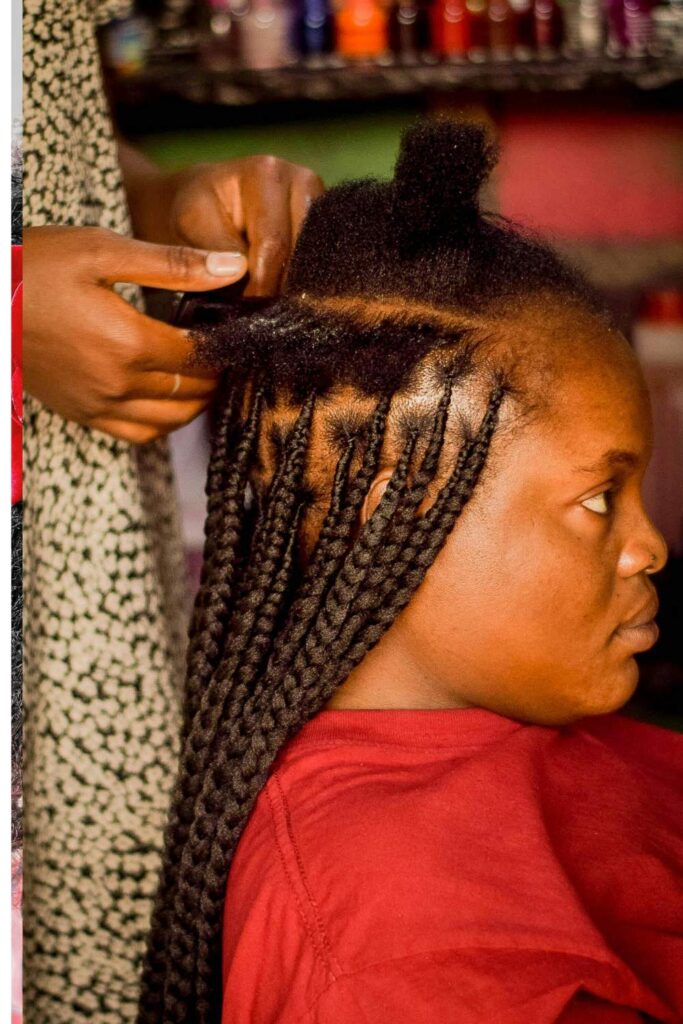
If you like the look of braids but don’t want that heavy, tight feeling, knotless braids are the way to go. They’re much lighter on the scalp, and you can actually forget you’re wearing them sometimes.
They also give a softer, more natural finish, which I personally love. It doesn’t look too “done,” it just blends in nicely with your overall look.
For summer, that comfort level matters a lot. You don’t want a style that feels like it’s weighing you down.
Twists (Passion Twists, Senegalese Twists)
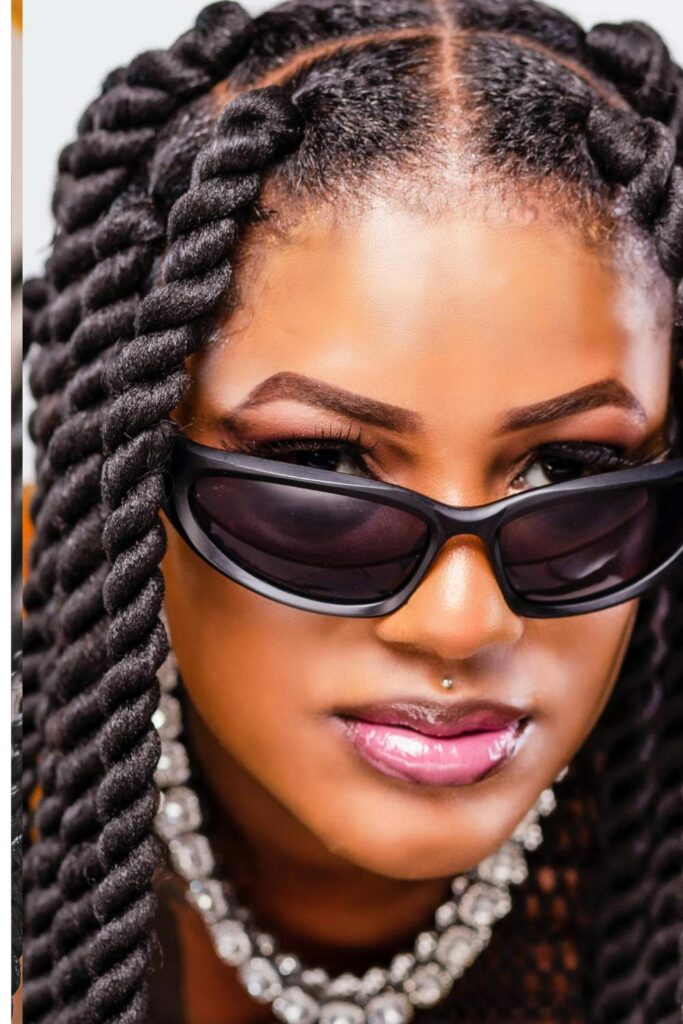
Twists have this soft, effortless vibe that works so well in summer. They’re usually lighter than braids, and they move more naturally, which makes them feel less heavy overall.
Passion twists give that slightly messy, relaxed look, while Senegalese twists are more sleek and polished. So you can choose depending on your mood.
They’re also easy to style without doing too much simple buns or loose styles already look good.
Wigs
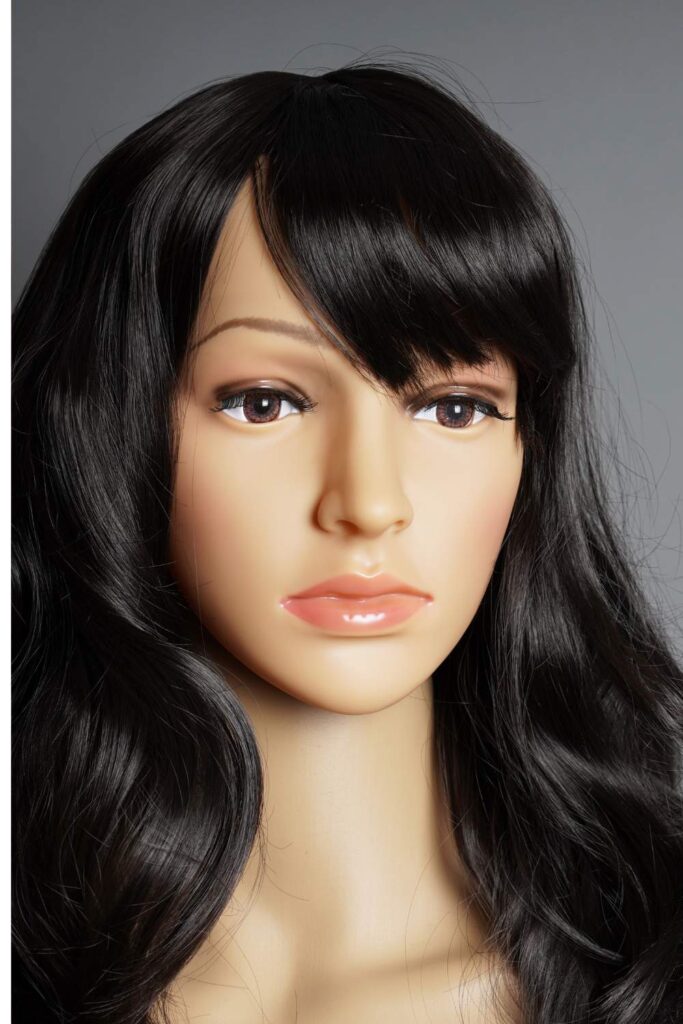
Wigs are honestly underrated as a protective hairstyle. Your natural hair stays tucked away underneath, and you can switch up your look whenever you feel like it.
One day you’re wearing a straight bob, the next day it’s curls it doesn’t require a long-term commitment. That flexibility is really helpful if you get bored easily.
The key here is making sure your hair underneath is properly cared for. Once that’s sorted, wigs make life a lot easier.
Bantu Knots / Mini Buns
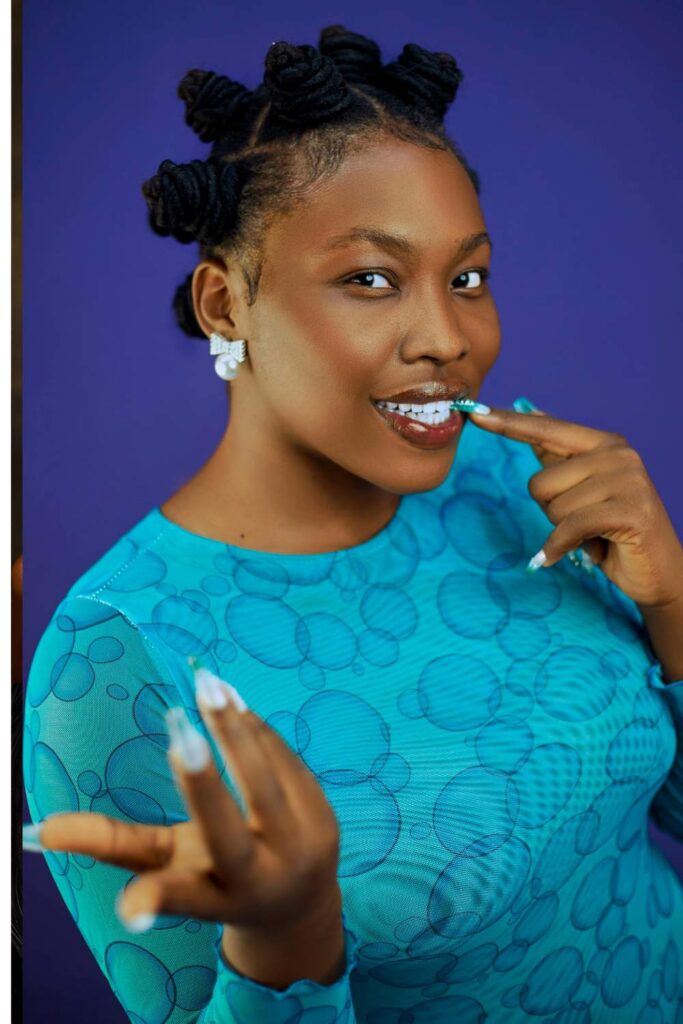
Bantu knots are one of those styles that feel both practical and stylish at the same time. They keep your ends tucked in, and they’re perfect for hot days because your hair is completely off your neck.
Another thing I like is that you get two styles in one. You can wear the knots for a few days, then take them down and have a defined curl pattern without extra effort.
It’s simple, but it still stands out in a really nice way.
Crochet Styles
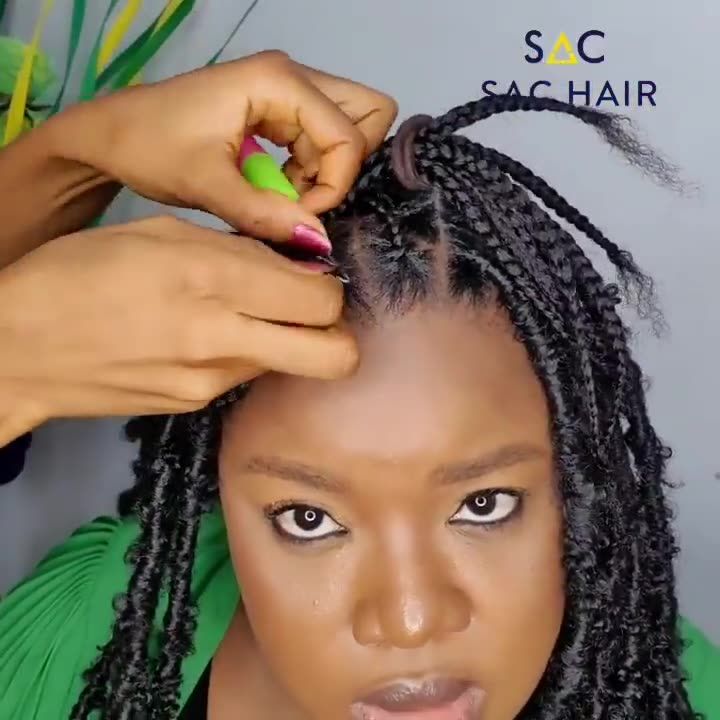
If you don’t have the time or patience to sit for long hours, crochet styles are a solid option. The installation is much faster, and you still get a full, styled look at the end.
They’re also more budget-friendly compared to some other styles, which makes them easier to maintain without spending too much.
How to Maintain Your Protective Hairstyle
Once you’ve installed a protective hairstyle, the goal is to keep it looking good and make sure your real hair underneath is still being taken care of. It’s easy to forget about it since everything is tucked away, but a little consistency goes a long way.
Keep Your Scalp Clean
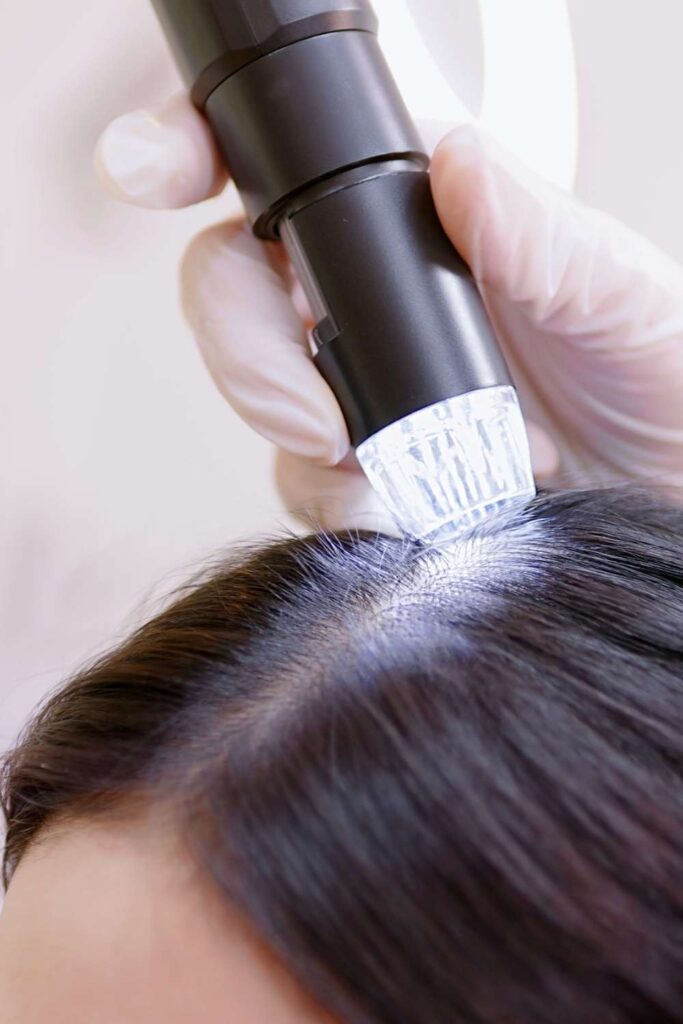
Even with a protective style, your scalp still builds up sweat, oil, and product especially in summer.
You don’t need to do a full wash every time, but a light cleanse helps a lot. You can use diluted shampoo, a scalp cleanser, or even a dry shampoo if you’re trying to keep things quick.
I’ve noticed that when my scalp feels fresh, the whole style just looks better and lasts longer.
Moisturize Regularly

Just because your hair is braided or tucked away doesn’t mean it doesn’t need moisture. Your natural hair is still there, and it can dry out if you ignore it for too long.
A light leave-in conditioner or a moisturizing spray works well. Focus on your roots and lightly run it through the length if needed.
Nothing heavy because buildup can become a problem fast.
Sleep with a Satin Scarf or Bonnet
This is one step you don’t want to skip. Cotton pillowcases can make your protective hairstyle look rough way faster than it should.
Wrapping your hair at night helps reduce frizz, keeps your style neat, and protects your edges.
On nights when I skip this, I always regret it in the morning.
Avoid Too Much Pulling or Styling
It’s tempting to keep restyling your hair every day high buns today, tight ponytails tomorrow—but too much tension can stress your edges and scalp.
Try to keep styles loose and switch things up in a way that doesn’t pull on the same areas constantly.
Your protective hairstyle should feel easy, not like it’s putting your hair under pressure.
Refresh Your Edges and Keep It Neat
After a while, your style might start to look a bit tired, and that’s normal. You don’t need to redo everything just small touch-ups can make a big difference.
A little edge control, redoing a few front braids, or simply smoothing things down can bring the whole look back to life.
you can also check out for : How to stye hair for an interview
How Long Should You Keep a Protective Hairstyle?
This is one of those things people don’t always talk about enough. A protective hairstyle is meant to help your hair, not turn into something you keep in for too long and then regret later.
General Timeframe (2–6 Weeks)
Most protective styles fall somewhere between 2 to 6 weeks, depending on the style and how well you maintain it.
Lighter styles like cornrows or twists might start looking old sooner, while braids can last longer if you take care of them properly.
But honestly, it’s not just about how long the style can last it’s about how long it still feels good on your hair and scalp. Just because it still “looks okay” doesn’t always mean it should stay in.
Signs It’s Time to Take It Out
Your hair usually tells you when it’s had enough you just have to pay attention.
If your scalp starts feeling itchy all the time, or you notice a lot of buildup that won’t go away, that’s already a sign. Excessive frizz, loose roots, or your style looking tired no matter what you do to refresh it are also clues.
Another big one is shedding. If you take down a small section and see a lot of trapped hair, it’s probably time. Waiting too long can make detangling stressful and lead to unnecessary breakage.
The Importance of Giving Your Hair a Break
It’s tempting to go straight from one protective hairstyle to another, especially when it makes life easier. But your hair still needs time to breathe.
Taking a short break in between styles allows you to properly wash, deep condition, and detangle your hair without rushing. It also gives your scalp a chance to rest from any tension.
I’ve noticed that when I actually give my hair that break even if it’s just a few days it feels softer, easier to manage, and overall healthier before the next style goes in.